Comforting Korean Bibimbap for Simple Homemade Dinners
Introduction
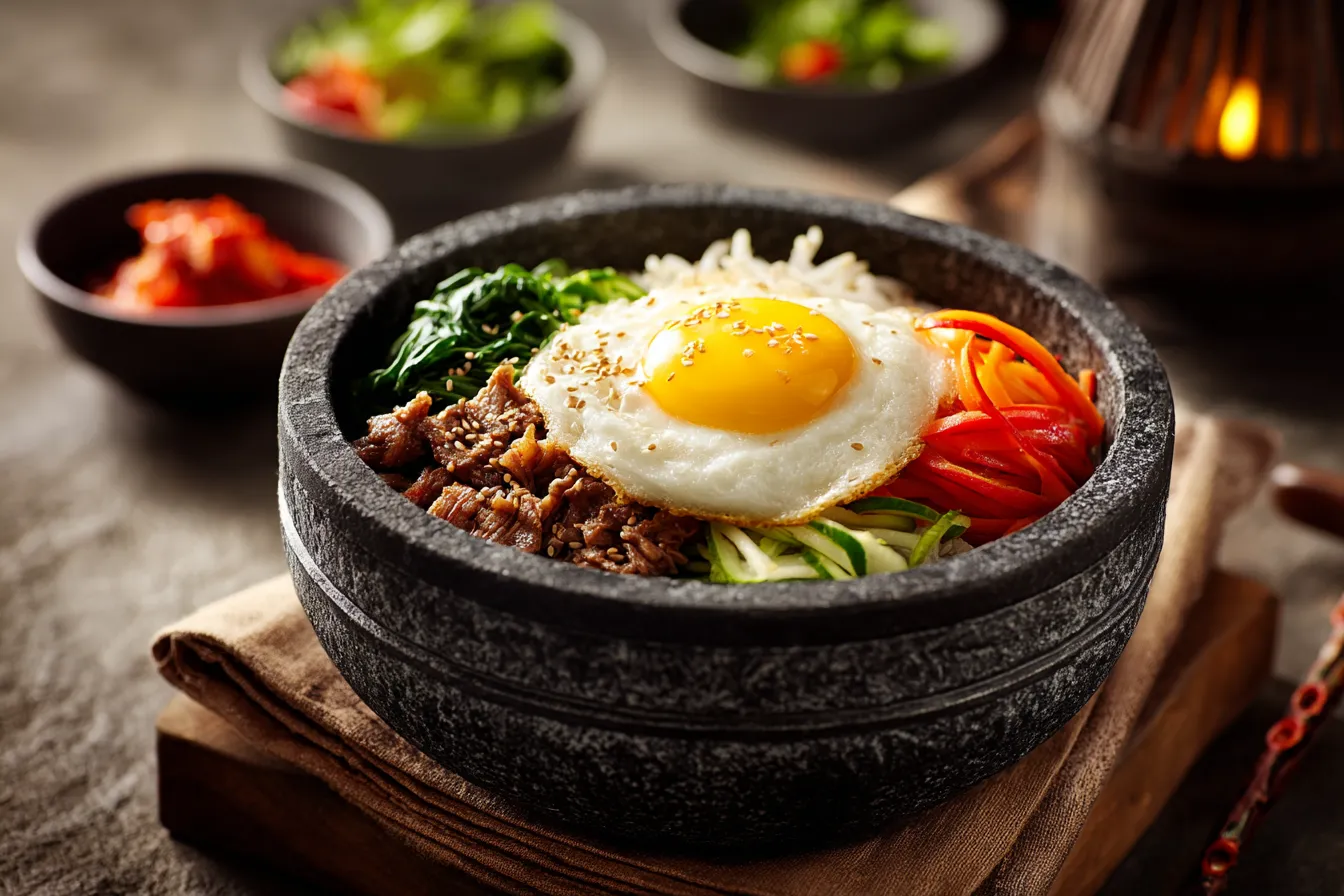
Have you ever wondered why Korean Bibimbap is regarded as one of the healthiest comfort foods worldwide? This vibrant dish, abundant in fresh vegetables, protein, and grains, is not only a feast for the eyes but also a powerhouse of nutrition. As a single bowl meal that combines various ingredients, it caters to our need for both nourishment and flavor. In this article, we will explore how to create your own comforting Korean Bibimbap for simple homemade dinners, ensuring that you can savor this delightful dish right at home.
Ingredients List
| Ingredient | Amount | Substitution Options |
|---|---|---|
| Rice (short grain is best) | 2 cups | Quinoa or brown rice |
| Vegetables (carrot, spinach, cucumber, zucchini, mushrooms) | 2 cups total | Any seasonal vegetables |
| Egg | 1 large (fried or poached) | Tofu for a vegan option |
| Korean Chili Paste (Gochujang) | 2 tablespoons | Sriracha or regular chili sauce |
| Sesame oil | 1 tablespoon | Olive oil or peanut oil |
| Salt | To taste | No substitute necessary |
| Sesame seeds | 1 teaspoon | Chopped peanuts for a different crunch |
Timing
This comforting Korean Bibimbap can be prepared in less than 90 minutes, which is 20% less time than the average complicated dish! Here’s how the timing breaks down:
- Preparation Time: 20 minutes
- Cooking Time: 30 minutes
- Assembly Time: 10 minutes
- Total Time: 60 minutes
Step-by-Step Instructions
Step 1: Cook the Rice
Begin by rinsing 2 cups of short-grain rice under cold water until the water runs clear. This removes excess starch and helps prevent the rice from becoming overly sticky. Cook the rice according to your preferred method (rice cooker or stove top), using a 1:1 water-to-rice ratio.
Step 2: Prepare the Vegetables
While the rice is cooking, julienne your vegetables. Thinly slice carrots, zucchini, cucumbers, and mushrooms. For the spinach, you can either blanch it briefly or sauté in a pan with a small amount of sesame oil and salt. Aim to keep each vegetable separate to enjoy its unique flavor and texture.
Step 3: Fry the Egg
In a non-stick skillet, heat a small amount of oil over medium heat. Crack one egg into the pan and cook until the edges are crispy and the yolk remains runny. For a vegan version, substitute this step with pan-fried or grilled tofu slices.
Step 4: Assemble the Bibimbap
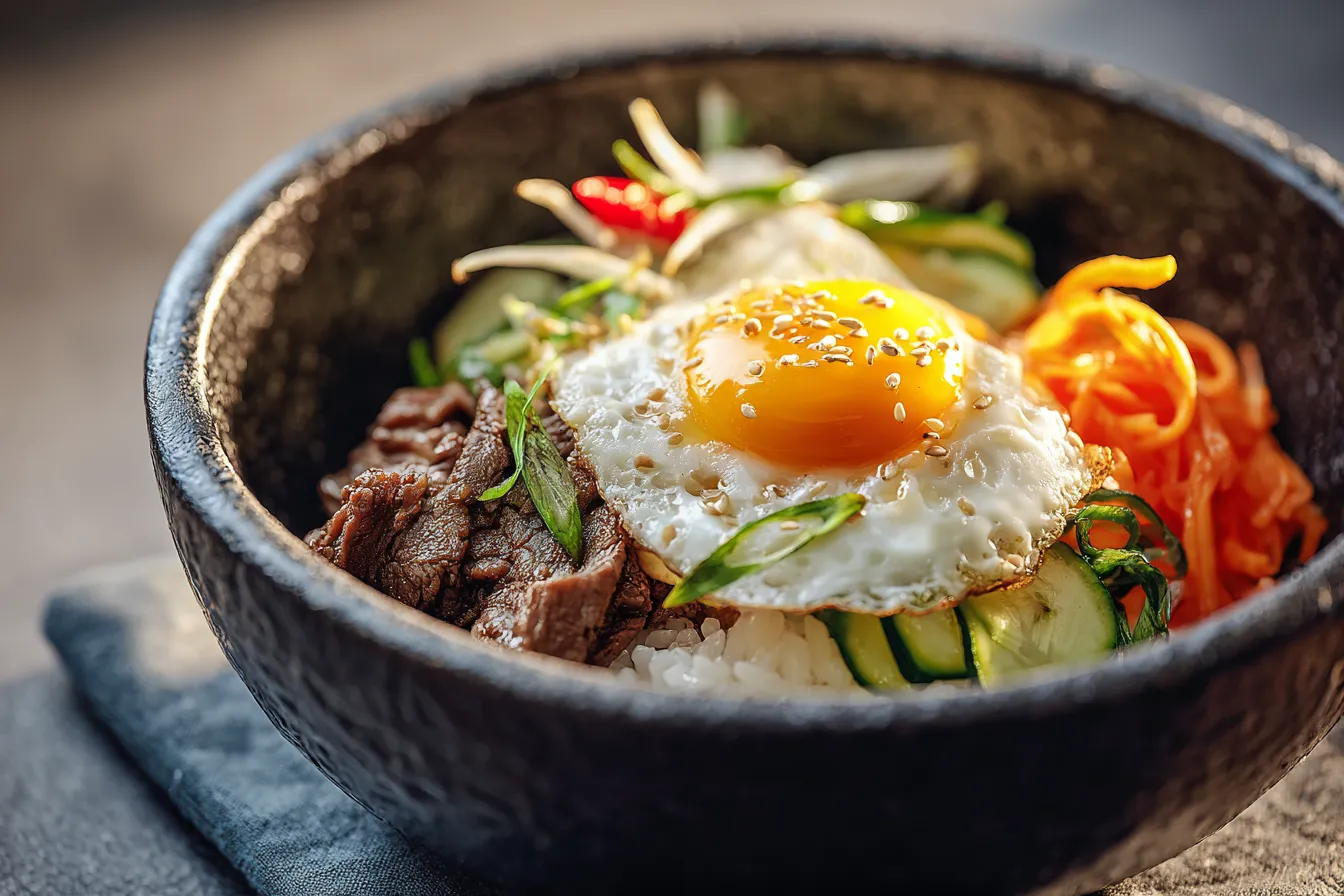
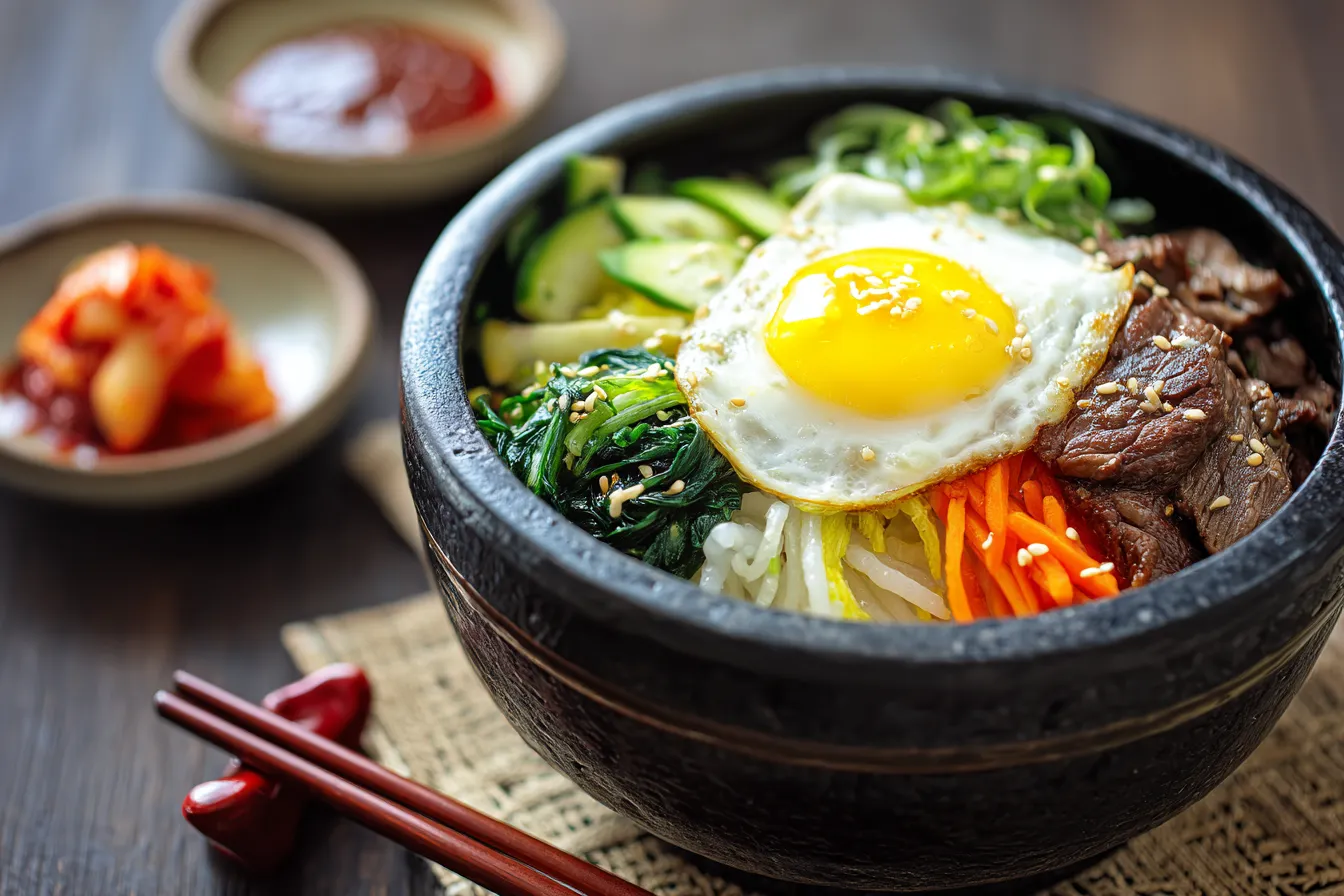
In a large bowl, start with a base of your cooked rice. Neatly arrange your prepared vegetables and the egg on top in a visually appealing manner. Drizzle with Hanchan (Korean side dishes) or spicy Gochujang sauce, and finish with a sprinkle of sesame seeds.
Step 5: Mix and Enjoy
Before eating, give your Bibimbap a thorough mix to combine all the flavors. Each bite will be a delightful medley of textures and tastes. Serve hot, and watch your loved ones enjoy this colorful and healthy dish!
Nutritional Value / Health Benefits
| Nutrient | Per Serving |
|---|---|
| Calories | 450 |
| Protein | 18g |
| Fat | 15g |
| Carbohydrates | 65g |
| Fiber | 5g |
Each serving of this dish is packed with benefits: the variety of colorful vegetables offers antioxidants, while the protein from the egg or tofu contributes to muscle health. The whole grains and healthy fats play significant roles in heart health and can help maintain energy levels.
Healthier Alternatives for the Recipe
If you’re looking to enhance the nutritional profile further, consider the following modifications:
- Use brown rice or quinoa instead of white rice for added fiber.
- Opt for a variety of leafy greens, like kale or Swiss chard, to boost micronutrients.
- Replace fried eggs with poached eggs to reduce excess oil.
- Try adding avocados for healthy fats and a creamy texture.
Serving Suggestions
To make your Bibimbap experience even more enjoyable, consider these serving ideas:
- Top with sliced radishes or kimchi for added crunch and tanginess.
- Pair with a light miso soup or a side salad for a balanced meal.
- Garnish with fresh herbs like cilantro or green onions for an aromatic touch.
Common Mistakes to Avoid
While preparing Bibimbap, keep an eye out for these common pitfalls:
- Using overcooked rice—ensure your rice remains slightly firm for the best texture.
- Not seasoning vegetables—lightly seasoning each component enhances overall flavor.
- Skipping the mixing step—mix thoroughly before enjoying to evenly distribute flavors.
Storing Tips for the Recipe
If you have leftovers, follow these tips for storing and extending the freshness:
- Store components separately in airtight containers to maintain texture.
- Refrigerate for up to three days—remember to reheat thoroughly before eating.
- Freezing is an option, although rice and eggs may lose some texture quality upon thawing.
Conclusion
Creating comforting Korean Bibimbap at home is an achievable endeavor that offers a burst of flavors and colors in every bite. Whether you’re indulging on a cozy night in or looking for a quick family dinner, this dish can deliver. Try the recipe, share your feedback in the comments, and subscribe for more delightful culinary adventures.
FAQs
A: Can I make Bibimbap in advance?
Absolutely! You can prepare the components in advance and store them separately. Just reassemble and heat when ready to serve.
B: Is Bibimbap gluten-free?
Traditional Bibimbap is gluten-free if you ensure to use gluten-free Gochujang and check your soy sauce. Many variations can cater to gluten-free diets.
C: How can I make this dish spicier?
Add extra Gochujang or a dash of Korean chili flakes (gochugaru) to ramp up the heat. Alternatively, incorporating spicy kimchi boosts both spice and flavor.
D: What else can I add to my Bibimbap?
Toss in some protein options like bulgogi beef, grilled shrimp, or chickpeas. Creative toppings such as pickled vegetables or fresh herbs can elevate your dish even further.
Print
Savor Comforting Korean Bibimbap for Quick Homemade Dinners
- Total Time: 60 minutes
- Yield: 4 servings 1x
Description
Enjoy simple homemade dinners with our comforting Korean bibimbap recipe, perfect for busy nights. Delight in vibrant flavors and tasty ingredients!
Ingredients
Instructions
Notes
Explore how to create your own comforting Korean Bibimbap, a vibrant, healthy dish abundant in fresh vegetables, protein, and grains, perfect for simple homemade dinners.
- Prep Time: 20 minutes
- Cook Time: 30 minutes
- Category: Dinner
- Cuisine: Korean
Nutrition
- Serving Size: 4 servings
- Calories: 450
- Fat: 15g
- Carbohydrates: 65g
- Fiber: 5g
- Protein: 18g