Dutch Oven Sourdough Bread Recipe: The Ultimate Guide to Artisan Bread at Home
Are you ready to master the art of baking one of the most beloved artisan breads? With this Dutch oven sourdough bread recipe, you can create a crusty, flavorful loaf that rivals those found in artisan bakeries. This guide will walk you through every step, ensuring success for both beginners and seasoned bakers. Let’s dive into the world of sourdough!
Understanding the Fundamentals of Sourdough Bread
What is Sourdough Bread?
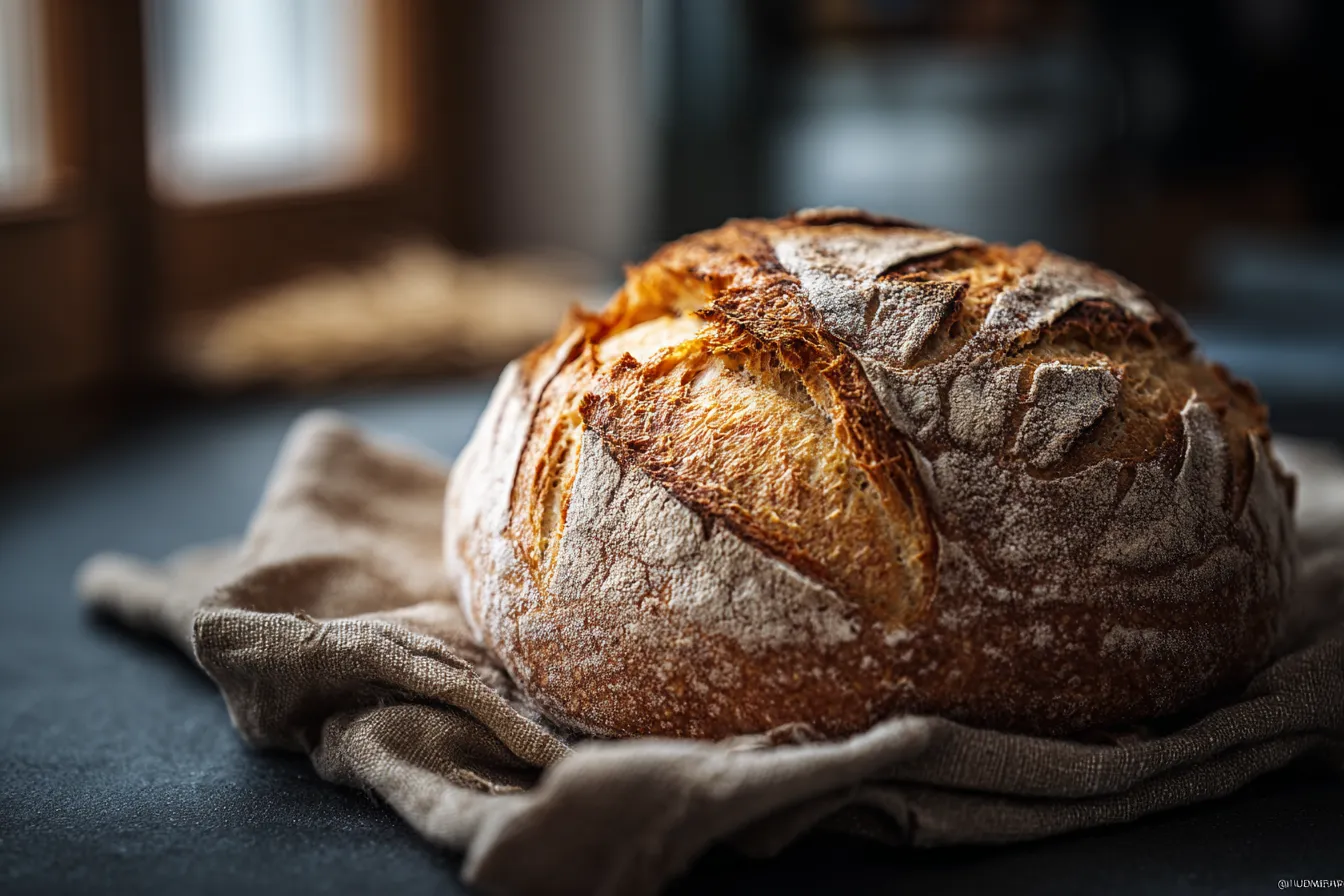
Sourdough bread is made through the fermentation of dough using naturally occurring lactobacilli and yeasts. The sour flavor and chewy texture come from the fermentation process, which also helps to improve the bread’s shelf life.
Why Use a Dutch Oven?
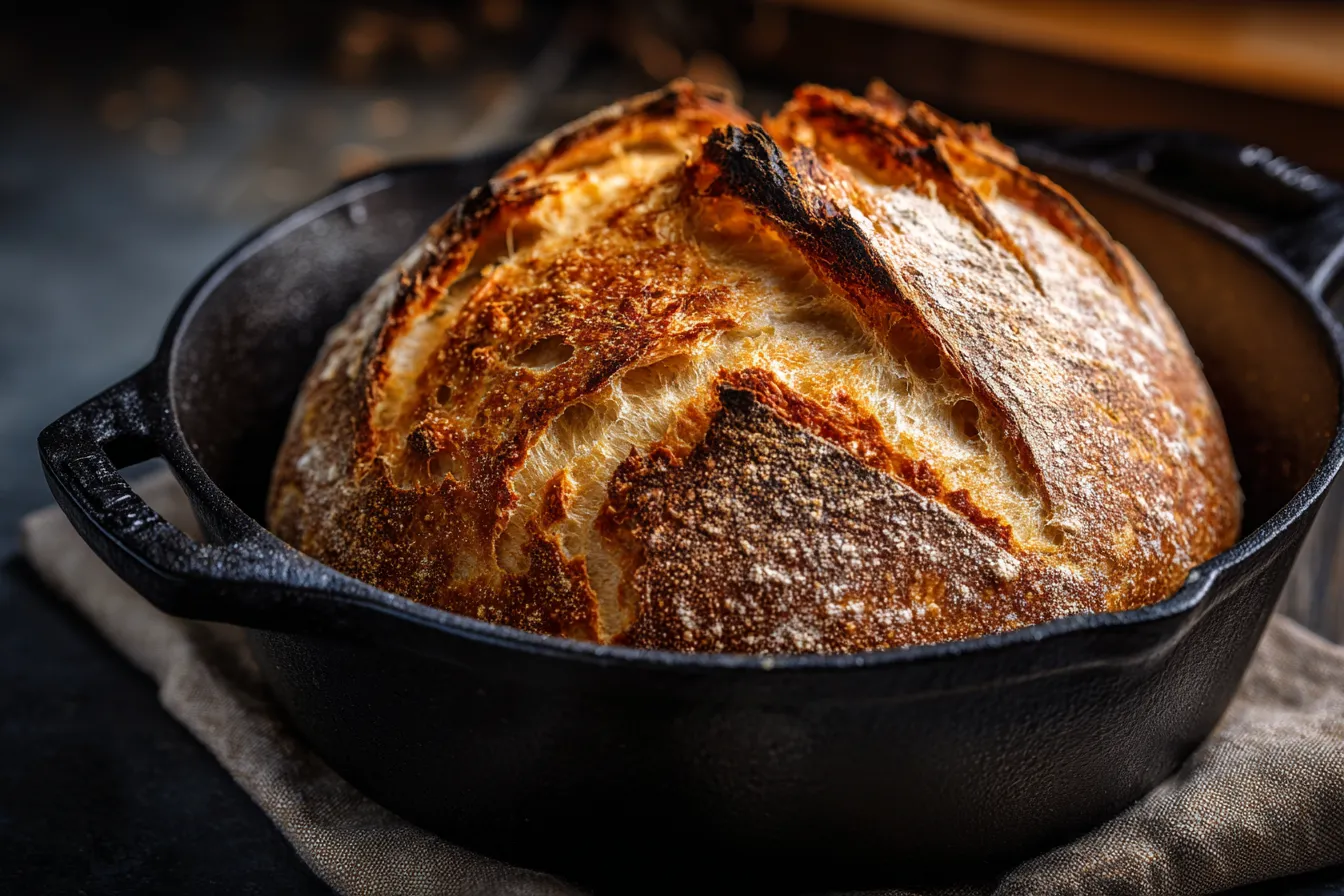
A Dutch oven is an excellent tool for baking sourdough bread. It simulates the steam injection used in professional bakeries, resulting in a crusty exterior and a soft, airy interior.
Ingredients for Dutch Oven Sourdough Bread
Essential Ingredients
- Flour: Use bread flour or a mix of all-purpose flour and whole wheat flour for added flavor.
- Water: Filtered or bottled water is ideal for the best results.
- Sourdough Starter: A healthy, active starter is crucial for the fermentation process.
- Salt: Sea salt or kosher salt enhances flavor.
Optional Ingredients
For added nutrition and flavor, consider adding seeds, herbs, or nuts to your dough.
Step-by-Step Preparation
Creating Your Dough
Start by mixing together the flour, water, and sourdough starter. Allow the mixture to rest for 30 minutes (this process is known as autolyse), which helps develop the gluten structure.
Incorporating Salt
After the autolyse, add salt to the dough while incorporating it gently. This ensures even distribution without overly disrupting the gluten structure.
Fermentation Process
Bulk Fermentation
Place the dough in a warm environment to rise. This typically takes 4 to 6 hours, depending on the temperature of your surroundings. During this time, perform stretch and folds every 30 minutes to strengthen the dough.
Shaping the Dough
Once the dough has doubled in size, turn it out onto a lightly floured surface and shape it into a round or oval loaf. Allow it to rest for 20-30 minutes before doing the final shaping.
Final Proofing Techniques
Proofing Baskets
Place your shaped dough into a proofing basket (banneton) lined with a floured cloth. This step helps maintain the shape of the loaf as it rises again for 1 to 2 hours.
Cold Retard (Optional)
For enhanced flavor, you can refrigerate the dough overnight, which allows the flavors to develop further and improves the crust’s quality.
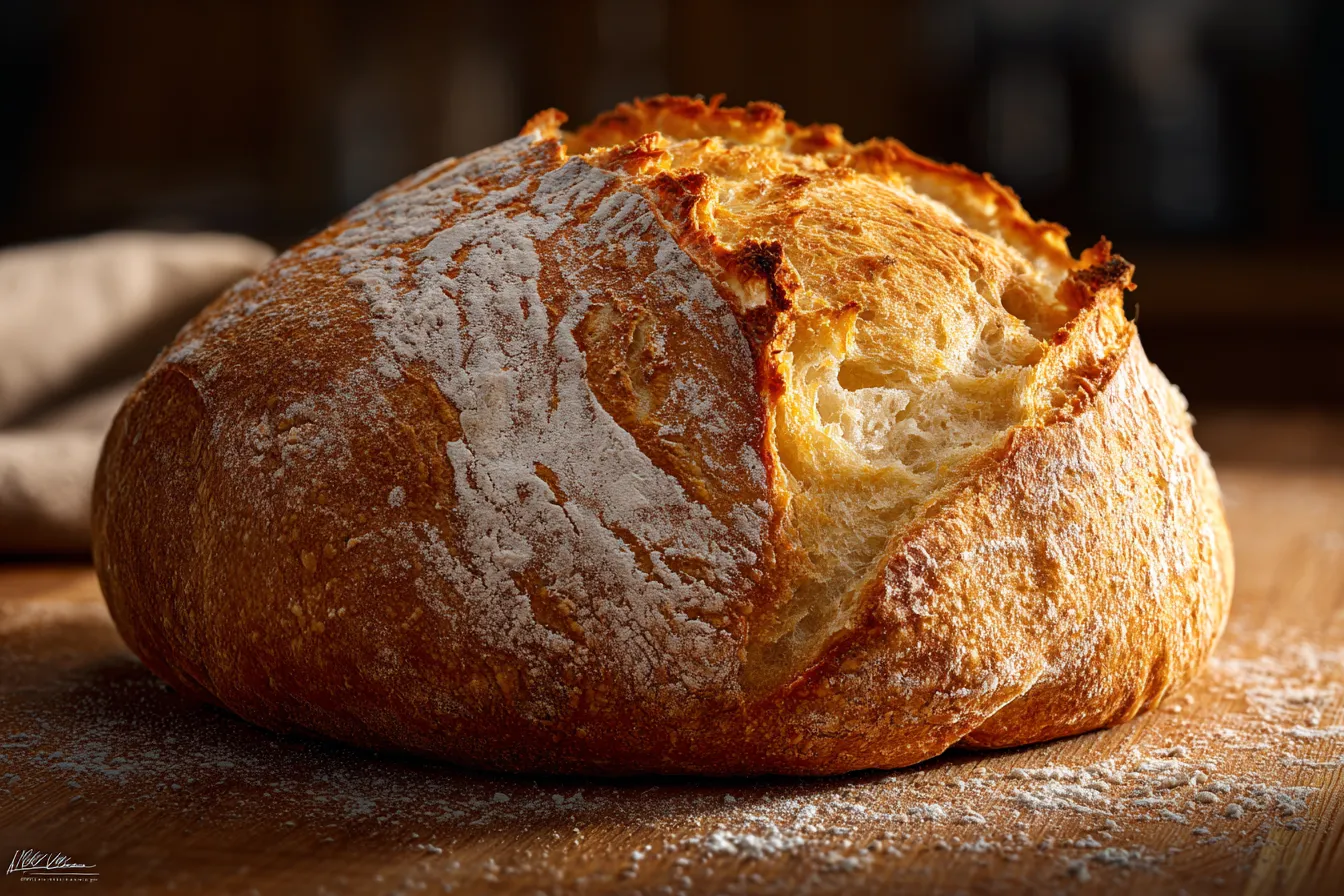
Baking Your Sourdough Bread
Preheating the Dutch Oven
About 30 minutes before you’re ready to bake, preheat your oven to 450°F (232°C) with the Dutch oven inside. This ensures the pot is hot enough to create steam when the dough is added.
Scoring the Dough
Just before baking, carefully turn the dough out onto parchment paper and score the top with a sharp blade. This allows for controlled expansion during baking.
Post-Baking Care
Cooling the Bread
Once baked, remove the loaf from the Dutch oven and place it on a wire rack. Allow the bread to cool completely before slicing, as this step is crucial for the bread’s texture.
Storing Your Sourdough Bread
Store your sourdough bread in a paper bag at room temperature for up to 3 days, or freeze it for long-term storage. Just be sure to slice it before freezing for easy access.
Troubleshooting Common Issues
Why is My Bread Dense?
If your bread is dense, it may be due to insufficient proofing time or using a weak sourdough starter. Ensure your starter is bubbly and active before use.
Crust Too Hard?
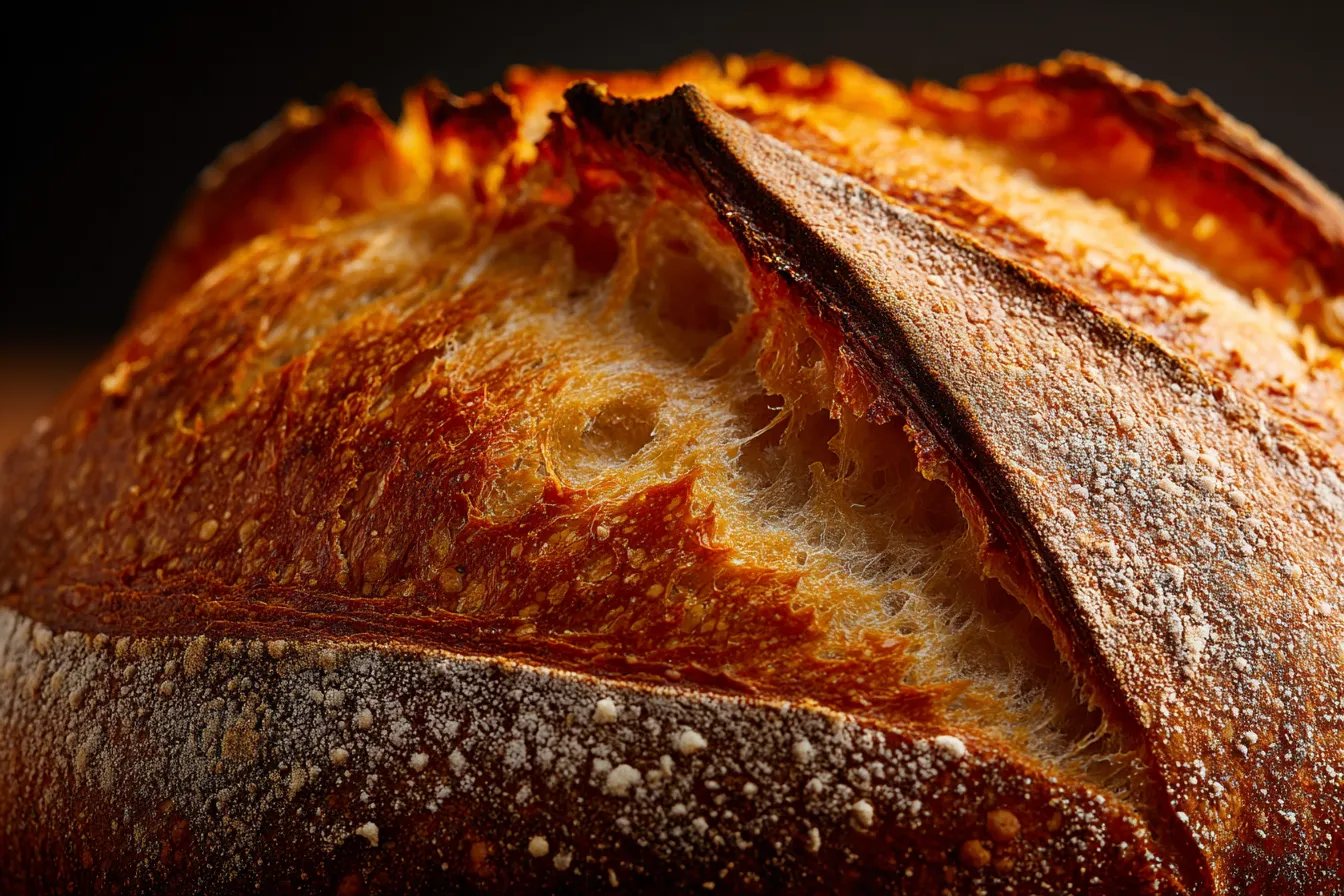
A hard crust can occur if the oven is too hot or if the bread is baked for too long. Experiment with different baking times and temperatures for your perfect crust.
Frequently Asked Questions (FAQs)
How long does it take to bake sourdough bread?
Baking sourdough bread typically takes about 30-45 minutes, depending on the size of the loaf and your oven’s calibration.
Can I use all-purpose flour instead of bread flour?
Yes, you can substitute all-purpose flour, but the texture may be slightly less chewy, and the crust may not be as crispy.
What if my sourdough starter isn’t rising?
If your starter isn’t rising, it may not be active enough. Try feeding it twice daily, or check that it’s kept in a warm environment to encourage fermentation.
Can I make sourdough without a Dutch oven?
While a Dutch oven is ideal, you can use a baking stone or a sheet pan covered with another pan to trap steam while baking.
Conclusion
Now that you have all the essential knowledge about making Dutch oven sourdough bread, it’s time to put your skills to the test. Remember that practice leads to perfection, so embrace every bake as a learning opportunity. Happy baking!
Extracted Internal Links:
Print
Master Dutch Oven Sourdough Bread Recipe Easy Delicious
- Total Time: 4 hours 15 minutes
- Yield: 1 loaf 1x
Description
Bake scrumptious Dutch Oven Sourdough Bread with our easy recipe Discover techniques for perfectly crusty loaves at home
Ingredients
Instructions
- Prep Time: 30 minutes
- resting and rising time: 3 hours 30 minutes
- Cook Time: 45 minutes
- Category: Bread
- Cuisine: French
Nutrition
- Calories: 250 calories
- Sugar: 0g
- Fat: 1g
- Carbohydrates: 50g
- Fiber: 2g
- Protein: 10g