Easy Korean Bibimbap: A Healthy Delight
Introduction
Did you know that nearly 60% of people believe that achieving a balanced meal is too complicated? What if I told you that bringing the vibrant flavors of Korea to your kitchen can be done effortlessly with a simple recipe like Easy Korean Bibimbap? This delightful dish not only uplifts your taste buds but also provides a nutritional powerhouse in just one bowl. In this blog, we will explore the rich tapestry of flavors in bibimbap while ensuring it remains a healthy delight.
Ingredients List
| Ingredient | Quantity | Substitution Options |
|---|---|---|
| Cooked rice | 2 cups | Quinoa or cauliflower rice |
| Spinach | 1 cup | Kale or Swiss chard |
| Carrots | 1 cup, julienned | Zucchini |
| Mushrooms | 1 cup, sliced | Tofu or tempeh |
| Eggs | 2 | Silken tofu (for vegan version) |
| Sesame oil | 2 tablespoons | Olive oil |
| Gochujang (Korean chili paste) | 2 tablespoons | Chili sauce |
| Green onions | 2, chopped | Chives |
| Salt | To taste | Himalayan pink salt or sea salt |
Timing
Preparing your Easy Korean Bibimbap takes approximately 30 minutes. This is significantly quicker than the average meal prep time for healthy dishes, which can extend to an hour or more. Breaking it down further:
- Preparation time: 15 minutes
- Cooking time: 15 minutes
- Total time: 30 minutes
Step-by-Step Instructions
Step 1: Prepare the Vegetables
Begin by washing and prepping all your vegetables. Julienning the carrots and slicing the mushrooms will enhance their textures and make them visually appealing. Keep your workspace tidy; it’s essential to maintain an organized kitchen while cooking!
Step 2: Sauté Spinach
In a heated skillet, add 1 tablespoon of sesame oil and toss the spinach. Sauté for about 2-3 minutes until it wilts, seasoning lightly with salt. Remove from the pan and set aside.
Step 3: Cook the Carrots and Mushrooms
In the same skillet, add remaining sesame oil and sauté the carrots for 2-3 minutes until they soften. Next, add mushrooms and continue to cook for another 3 minutes. The aromatic flavors will awaken your senses!
Step 4: Prepare the Rice
While the vegetables sauté, reheat your cooked rice. You can do this in the microwave or on the stove for a couple of minutes. Fluff it with a fork for a light and gorgeous base for your bibimbap.
Step 5: Fry the Eggs
Using a non-stick skillet, fry the eggs sunny-side up. The runny yolk acts as a rich sauce when mixed with the other components, adding creaminess to your dish.
Step 6: Assemble Your Bibimbap
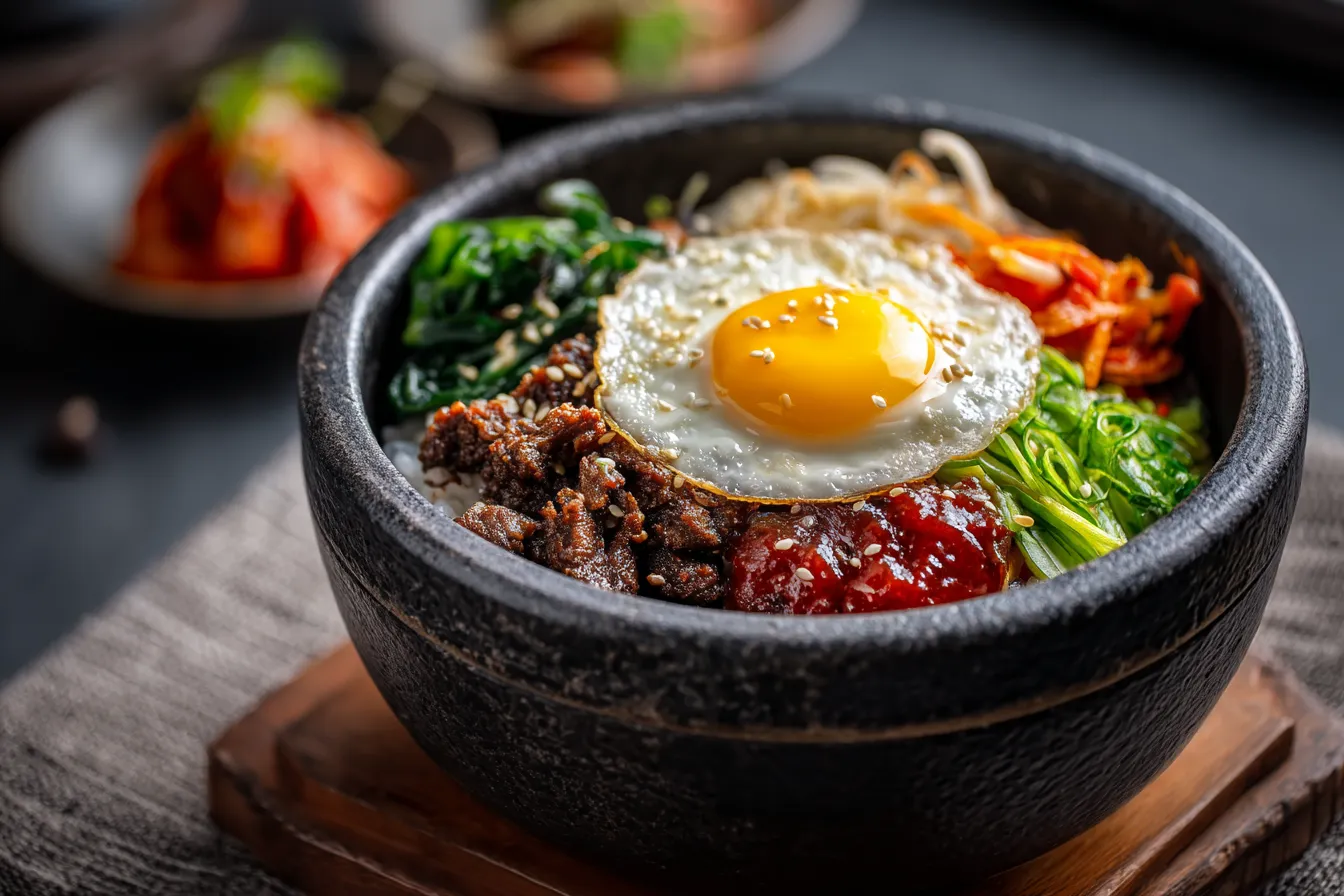
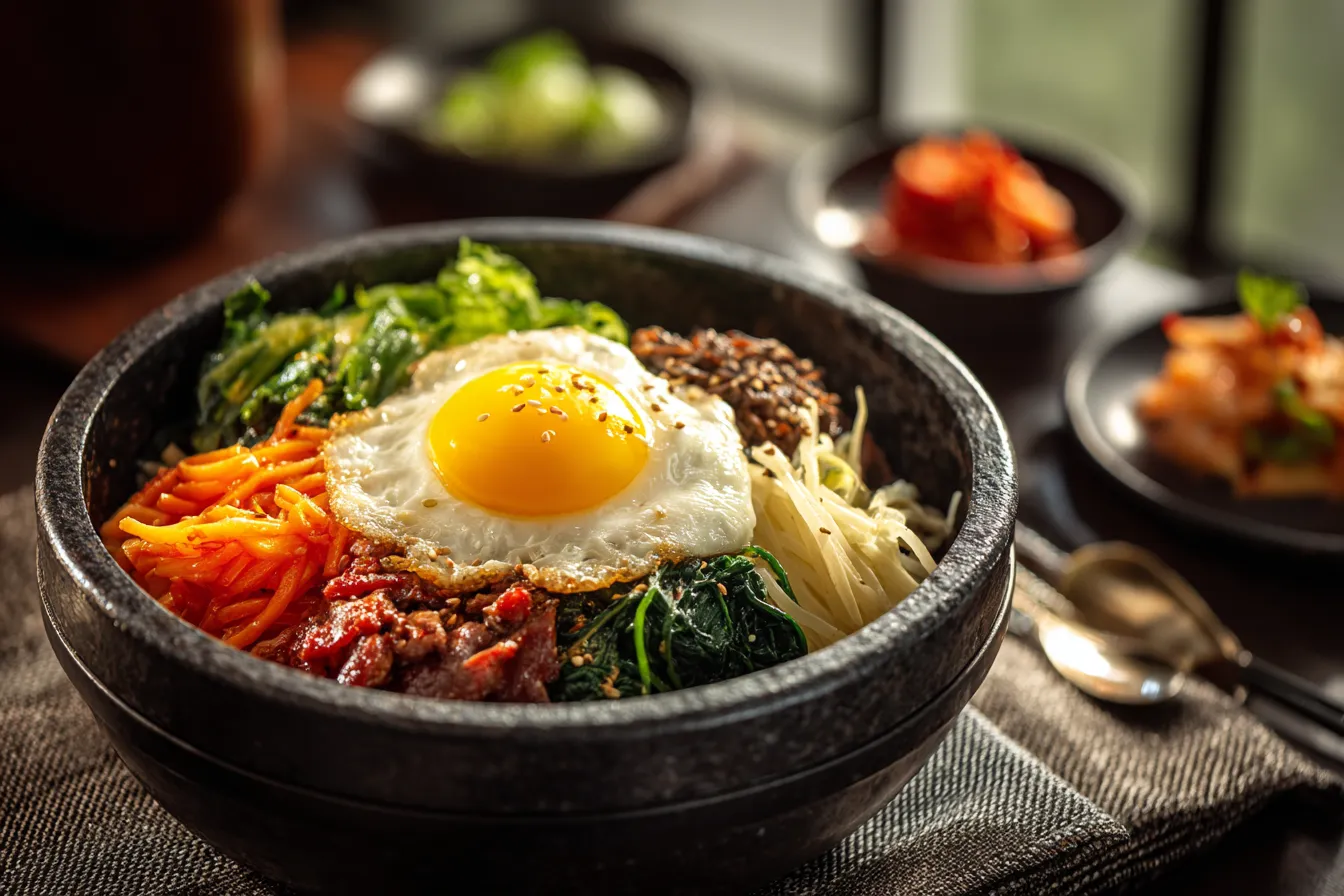
In an attractive bowl, place a generous scoop of rice as the base. Artfully arrange the sautéed spinach, carrots, and mushrooms on top. Gently slide the fried egg on top and finish it off with a dollop of gochujang. Sprinkle with green onions for an extra touch of flavor.
Nutritional Value / Health Benefits
| Nutrient | Amount per Serving |
|---|---|
| Calories | 400 |
| Protein | 12g |
| Fiber | 6g |
| Healthy Fats | 16g |
| Vitamin A | 90% DV |
| Iron | 15% DV |
Each ingredient in this bibimbap contributes not just flavor but also essential nutrients that promote heart health, boosts immunity, and increase energy levels. The colorful veggies provide antioxidants and vital vitamins, while the eggs are packed with protein to keep you full and satisfied.
Healthier Alternatives for the Recipe
While this Easy Korean Bibimbap is already healthy, there are several ways you can elevate its nutritional benefits:
- Use brown rice or quinoa for an added fiber boost.
- Incorporate more leafy greens, like kale, for extra nutrients.
- Opt for a vegan egg alternative using tofu to cater to plant-based diets.
- For those reducing sodium intake, use low-sodium soy sauce instead of gochujang.
Feel free to play around with these suggestions to suit your dietary preferences while keeping the core flavors intact!
Serving Suggestions
When it comes to serving your Easy Korean Bibimbap, presentation is key! Here are some creative ideas:
- Serve with a side of kimchi for a traditional touch.
- Drizzle with sesame seeds for added crunch and nutrition.
- Pair with a refreshing cucumber salad to balance the heat from gochujang.
- Offer different sauces on the side, like soy sauce or a spicy chili dip, to enhance customization.
Common Mistakes to Avoid
Even the best recipes can go awry. Here are some common pitfalls to avoid when making bibimbap:
- Overcooking the vegetables can lead to a mushy texture. Sauté just until they are tender-crisp.
- Forgetting to season each component can result in a bland meal. Season as you go!
- Using low-quality rice can affect the overall dish. Opt for sushi or short-grain rice for the best texture.
Storing Tips for the Recipe
If you have leftovers, here are some practical storage tips:
- Store each component separately in airtight containers to maintain freshness. This prevents sogginess.
- Refrigerate and consume within 3 days for optimal flavor and safety.
- When reheating, avoid microwaving for too long. A quick heat on the stovetop gives better texture.
Conclusion
With its delightful mix of flavors, colorful presentation, and nutritious ingredients, Easy Korean Bibimbap is a must-try recipe that can be whipped up in just 30 minutes. Don’t hesitate—try this recipe today and share your feedback in the comments section. Subscribe for more healthy recipes like this!
FAQs
A: Can I make bibimbap ahead of time?
Absolutely! You can prepare the components ahead and store them in the fridge. Just assemble before serving for freshness.
B: Is bibimbap suitable for meal prep?
Yes! The ingredients store well separately and can be easily reheated, making them perfect for meal prep.
C: Can I omit the gochujang if I don’t like spicy food?
Certainly! You may choose to substitute it with a milder sauce or omit it completely. Consider adding soy sauce for flavor.
D: How can I make this recipe vegan?
Replace the eggs with seasoned silken tofu and use vegetables as your protein source. This keeps the dish satisfying and delicious.
E: What can I serve alongside bibimbap?
Try kimchi, a simple cucumber salad, or miso soup to enhance the meal experience.
Print
“Discover Easy Korean Bibimbap: A Healthy & Tasty Delight!”
- Total Time: 30 minutes
- Yield: 4 servings 1x
Description
Savor the healthy delight of easy Korean bibimbap! Quick recipe, fresh ingredients, and balanced flavors make this dish a must-try. Enjoy today!
Ingredients
Instructions
Notes
A delightful mix of flavors, colorful presentation, and nutritious ingredients, Easy Korean Bibimbap can be whipped up in just 30 minutes.
- Prep Time: 15 minutes
- Cook Time: 15 minutes
- Category: Main Course
- Cuisine: Korean
Nutrition
- Serving Size: 4 servings
- Calories: 400
- Sugar: 2g
- Fat: 16g
- Carbohydrates: 40g
- Fiber: 6g
- Protein: 12g