Simple Korean Bibimbap for Balanced Family Meals
Introduction
Did you know that nearly 70% of families struggle to find balanced meal options that everyone enjoys? If you’ve been in the kitchen wondering how to bring flavor and nutrition together, Korean Bibimbap might just be your answer. This simple dish is a vibrant medley of ingredients and flavors, designed to meet diverse dietary needs while ensuring your family enjoys every bite. In this blog post, we’ll guide you through a delicious and easy-to-make recipe for Simple Korean Bibimbap, perfect for balanced family meals.
Ingredients List
| Ingredient | Quantity | Substitution Options |
|---|---|---|
| Cooked rice (preferably short-grain) | 2 cups | Quinoa for a gluten-free option |
| Vegetable oil | 2 tablespoons | Sesame oil for added flavor |
| Spinach | 1 cup | Kale or Swiss chard |
| Carrots | 1 medium, julienned | Zucchini or bell peppers |
| Mushrooms (shiitake or button) | 1 cup, sliced | Tofu or extra vegetables |
| Eggs | 2, fried or poached | Tofu for a vegan option |
| Sesame seeds | 1 tablespoon | Chopped peanuts for a crunch |
| Korean gochujang sauce | 2 tablespoons | Hot sauce or chili paste |
| Green onions | 2, sliced | Chives or leeks |
Timing
Preparing a delectable meal doesn’t have to take hours. This Simple Korean Bibimbap takes approximately 30 minutes to prepare and cook. Compared to the average meal prep time of 90 minutes, this dish is 67% quicker, proving that healthy, delicious meals can be prepared in a flash.
Step-by-Step Instructions
1. Prepare the Rice
Begin by cooking your rice according to package instructions. For an authentic touch, use short-grain rice which absorbs flavors beautifully. Set aside once cooked, allowing it to cool slightly while you prepare the vegetables.
2. Sauté the Vegetables
In a large skillet, heat vegetable oil over medium heat. Add the sliced mushrooms and sauté for about 3-4 minutes until tender. Next, add the julienned carrots and spinach, cooking until the spinach is wilted. Season lightly with salt and pepper.
3. Cook the Eggs
In a non-stick pan, crack the eggs and fry to your desired doneness. If you’re looking for a creamy texture, poached eggs work equally well.
4. Assemble the Bibimbap
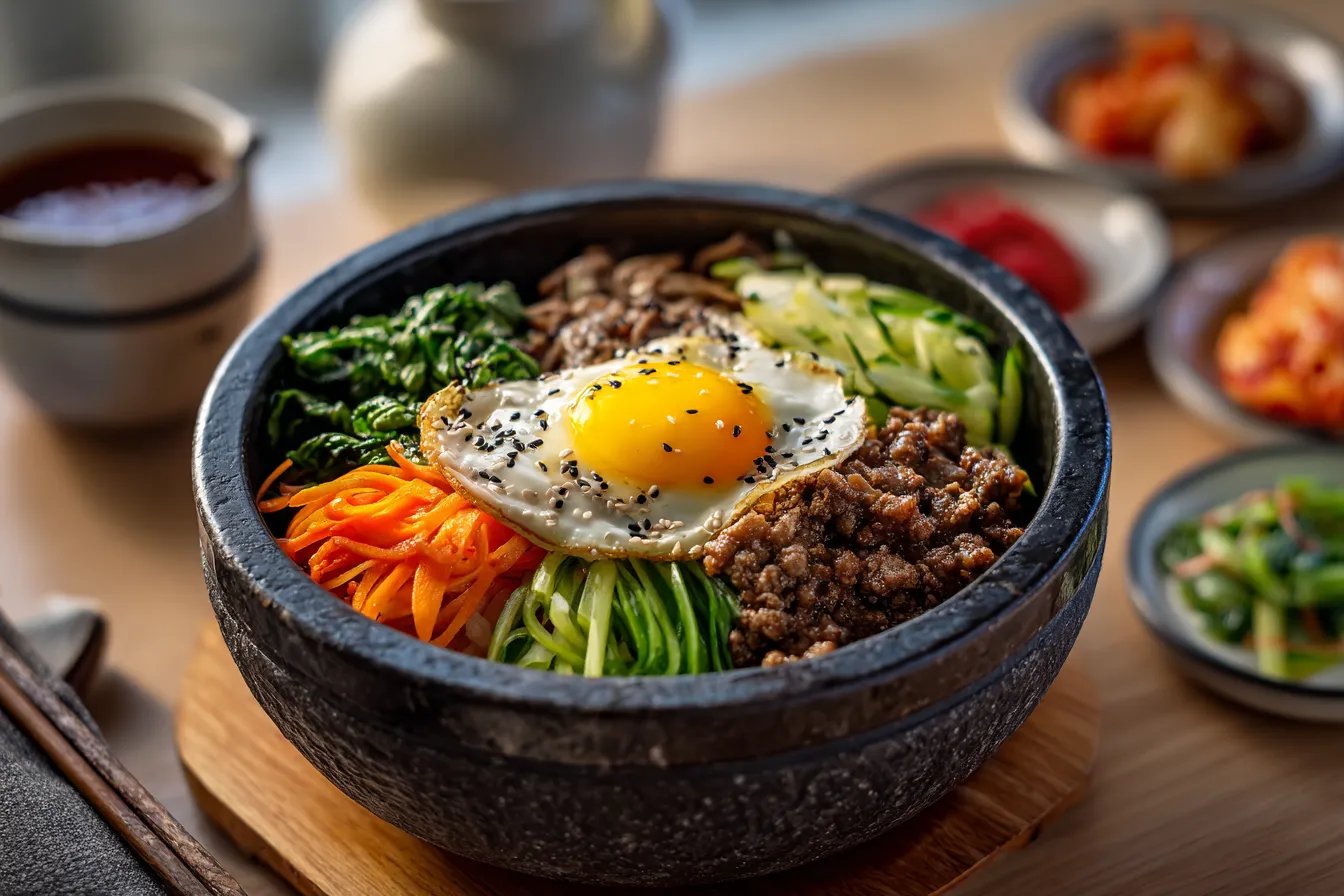
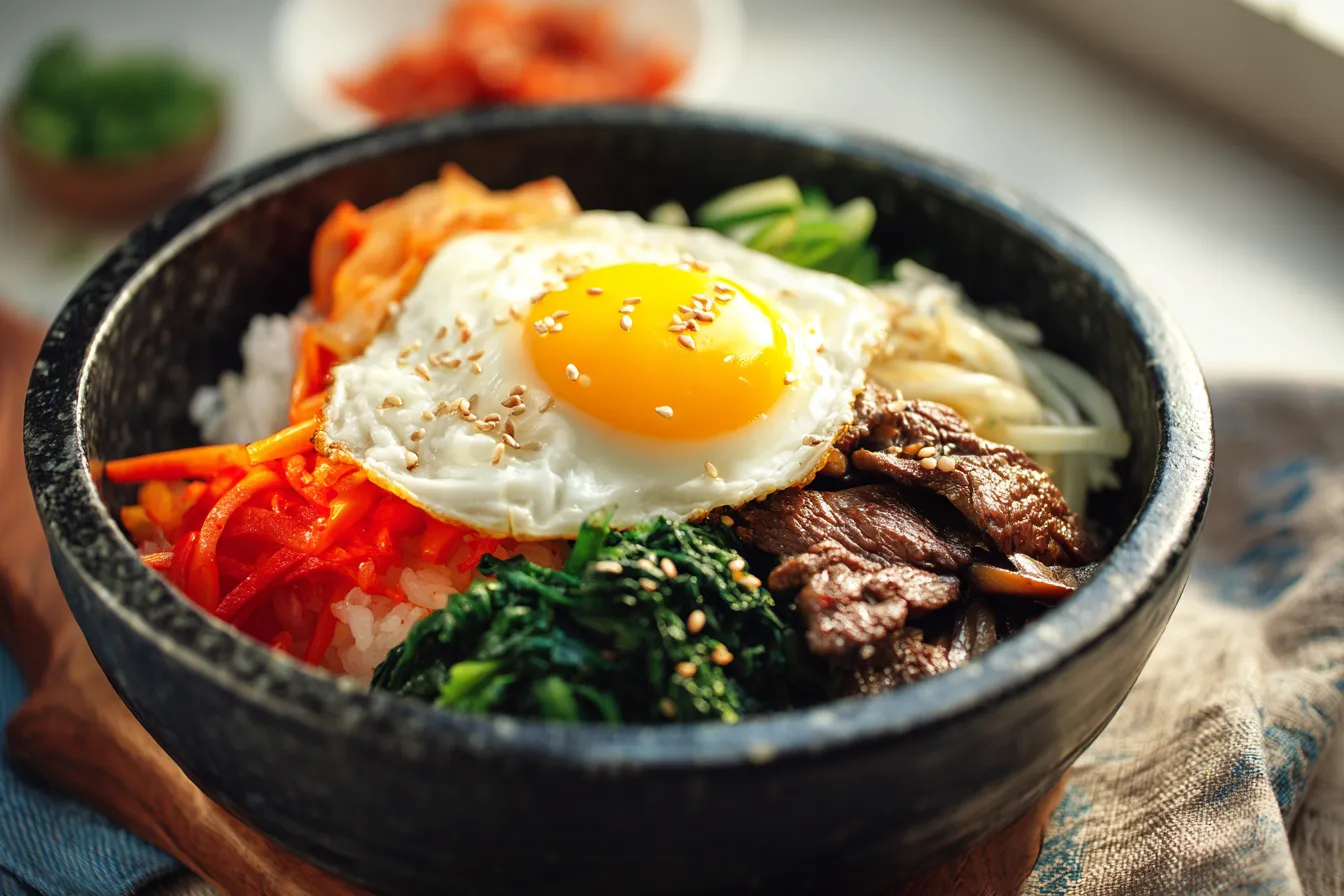
In a large bowl, place a scoop of rice as a base. Arrange the sautéed vegetables artfully on top of the rice, creating a colorful display. Place the fried egg in the center, then sprinkle with sesame seeds and sliced green onions.
5. Add the Gochujang Sauce
For that quintessential kick, drizzle the gochujang sauce over the top. How much you use will depend on your spice tolerance. Mix thoroughly before digging in!
Nutritional Value / Health Benefits
| Nutrient | Amount per Serving |
|---|---|
| Calories | 350 |
| Protein | 12g |
| Fiber | 5g |
| Fat | 15g |
This Simple Korean Bibimbap is not only satisfying but packed with nutrients. The vegetables provide essential vitamins and minerals, while the protein from eggs supports muscle health. The dish is rich in antioxidants from leafy greens, promoting overall wellness.
Healthier Alternatives for the Recipe
Looking for ways to make this beloved dish even healthier? Consider the following substitutions:
- Use brown rice or quinoa instead of white rice for increased fiber and nutrients.
- Opt for tahini or avocado instead of gochujang to reduce spice while adding healthy fats.
- Add more vegetables like sweet potato or broccoli for extra vitamins.
- For a vegan version, replace the eggs with extra tofu or chickpeas for plant-based protein.
Serving Suggestions
Get creative with how you serve your Bibimbap!
- Serve in individual bowls for a family meal that encourages personalization.
- Pair with a side of kimchi for an authentic Korean experience.
- Garnish with fresh herbs like cilantro or basil to elevate the flavors.
- Offer a variety of sauces at the table, allowing family members to customize their spice levels.
Common Mistakes to Avoid
- Overcooking the vegetables: Ensure they remain bright, vibrant and slightly crunchy to preserve their nutrients.
- Neglecting the rice: Use the correct rice for optimal texture; short-grain sticky rice is traditional and enhances the dish.
- Skipping the sauce: The gochujang adds essential flavor representation of the dish, don’t skip it.
Storing Tips for the Recipe
Got leftovers? Here are some handy tips for storing Bibimbap:
- Store the rice and sautéed vegetables separately in airtight containers in the refrigerator for up to 3 days.
- Keep the fried eggs separate until you’re ready to serve to maintain their texture.
- Reheat the rice and vegetables together in a microwave or skillet for a quick meal the next day.
Conclusion
In summary, Simple Korean Bibimbap is not only a culinary adventure but also a nutritional powerhouse. With vibrant vegetables, proteins, and flavor-packed gochujang, it’s a dish that caters to the whole family. Try this recipe, share your thoughts in the comments, and don’t forget to subscribe for more delicious updates!
FAQs
A: Can I make Bibimbap ahead of time?
A: Yes, you can prepare the ingredients ahead and assemble them when you’re ready to eat. Store each component separately for freshness.
B: Is there a vegetarian version for Bibimbap?
A: Absolutely! You can easily make a vegetarian variant by using tofu instead of eggs and ensuring that the gochujang sauce is vegetarian-friendly.
C: Can I freeze Bibimbap?
A: While rice can be frozen, it’s best to avoid freezing the assembled Bibimbap to maintain texture. You can freeze the rice and vegetables separately.
D: What kind of bowl should I use to serve Bibimbap?
A: Traditional stone bowls are popular for their ability to retain heat, but any bowl will work well for serving.
E: What other toppings can I add?
A: Feel free to add avocado slices, seaweed, or even a sprinkle of cheese for a unique twist on this classic dish.
Print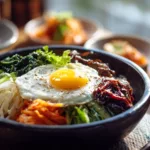
“Delicious Simple Korean Bibimbap for Balanced Family Meals”
- Total Time: 30 minutes
- Yield: 4 servings 1x
Description
Experience healthy family meals with simple Korean bibimbap. Quick, balanced, and delicious—perfect for busy weeknights. Enjoy fresh flavors today!
Ingredients
Instructions
Notes
A delicious and easy-to-make recipe for Simple Korean Bibimbap, perfect for balanced family meals.
- Prep Time: 15 minutes
- Cook Time: 15 minutes
- Category: Dinner
- Cuisine: Korean
Nutrition
- Serving Size: 4 servings
- Calories: 350
- Sugar: 2g
- Fat: 15g
- Carbohydrates: 42g
- Fiber: 5g
- Protein: 12g