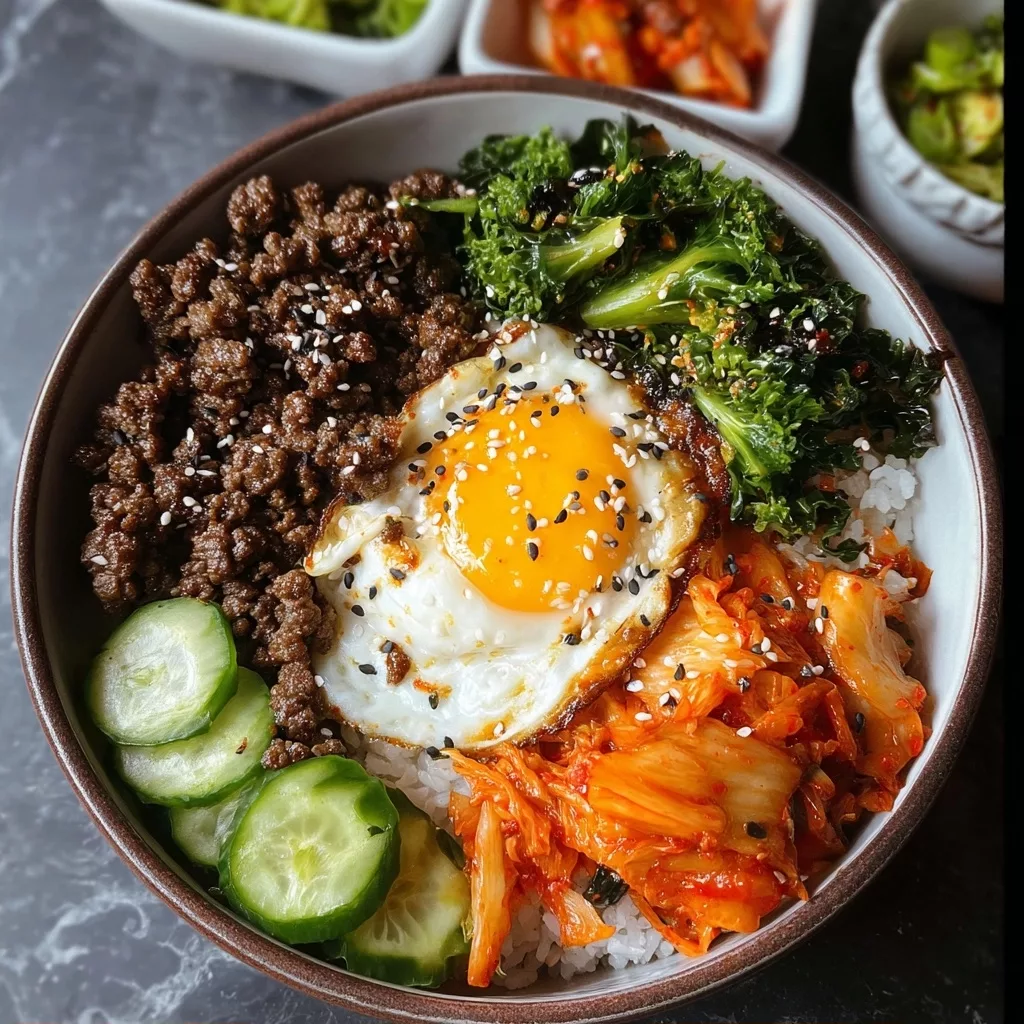
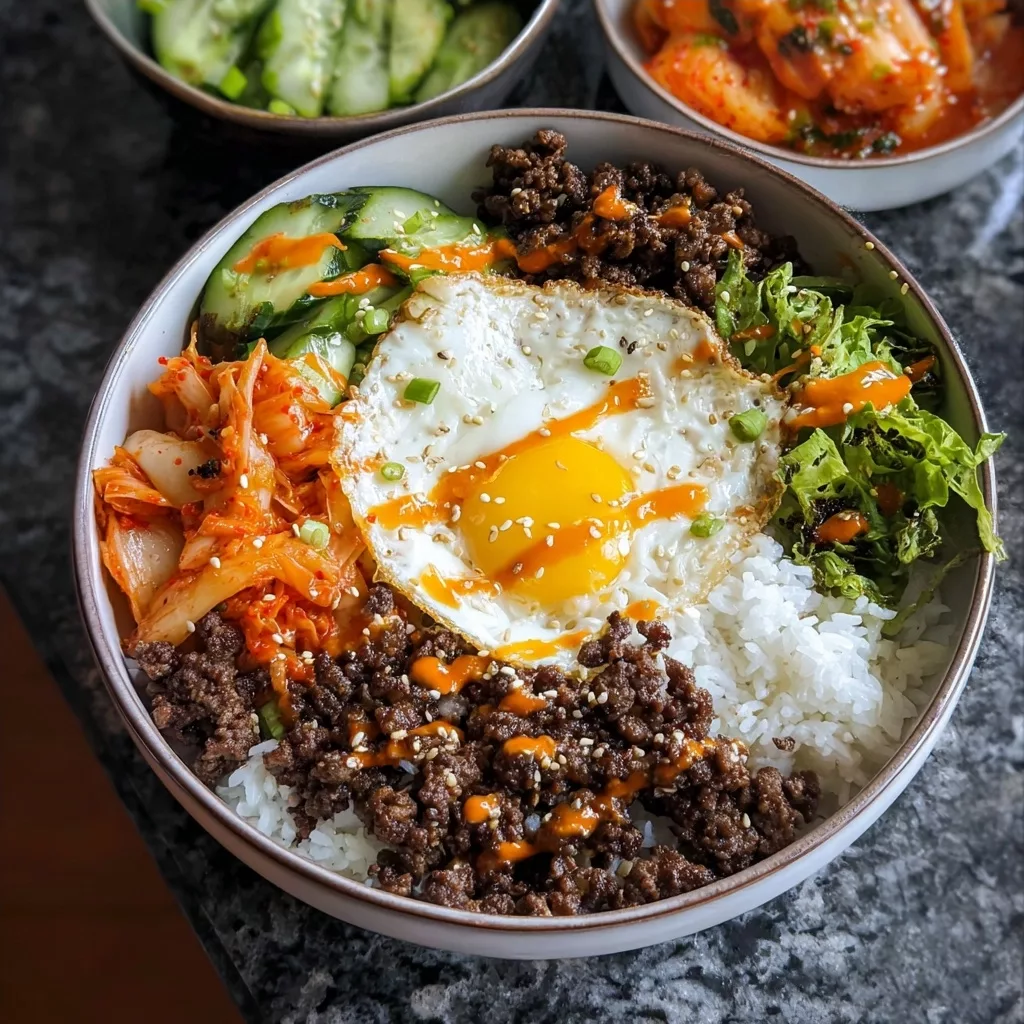
Korean-Style Ground Beef & Kimchi Bowls offer a high-protein, umami-rich dinner solution that combines savory sautéed beef with the spicy, acidic crunch of fermented cabbage. This meal delivers a balanced profile of carbohydrates, proteins, and probiotics in a single bowl. The dish relies on the bold flavors of fermented vegetables and aromatics to minimize preparation time while maximizing the depth of the final product. It serves as a staple for busy weeknights when you require a nutritious, satisfying meal.
Recipe Overview
| Prep Time | 10 minutes |
|---|---|
| Cook Time | 15 minutes |
| Total Time | 25 minutes |
| Servings | 4 servings |
| Difficulty | Easy |
| Cuisine | Korean-Fusion |
Why This Recipe Works
This recipe works because it leverages the natural salinity and fermentation funk of kimchi to season the beef without requiring long marination times. By searing the ground meat in a high-heat pan, you create a Maillard reaction that provides a complex base, perfectly complementing the zesty crunch of the kimchi.
I developed this method to solve the common issue of bland ground beef dishes. The interaction between the ginger, garlic, and fermented cabbage creates a layered flavor profile that mimics slow-cooked stews in a fraction of the time. It is effectively a weeknight hack that prioritizes bold flavors.
Ingredients
| Ingredient | Quantity | Notes |
|---|---|---|
| Ground Beef | 1 lb | Lean 90/10 blend is optimal. |
| Napa Cabbage Kimchi | 1.5 cups | Ensure no fish sauce or alcohol content. |
| Soy Sauce | 3 tbsp | Use gluten-free tamari for alternatives. |
| Brown Sugar | 1.5 tbsp | Adds necessary caramelization. |
| Fresh Ginger | 1 tbsp | Grated finely for uniform flavor. |
| Garlic Cloves | 3 cloves | Minced. |
| Sesame Oil | 1 tsp | To finish. |
| Steamed Rice | 4 cups | Short-grain white or brown rice. |
Step-by-Step Instructions
Preparation Phase
- Chop the kimchi into bite-sized pieces to ensure even distribution during the cooking process.
- Mix the soy sauce, brown sugar, grated ginger, and minced garlic in a small bowl to create the base sauce.
Cooking Phase
- Heat a large skillet over medium-high heat until the surface is hot.
- Add the ground beef to the skillet and break it into small crumbles using a wooden spatula.
- Cook the beef until fully browned and drain excess fat if necessary for a cleaner flavor profile.
- Pour the prepared sauce over the beef, stirring continuously to ensure every piece is coated.
- Add the chopped kimchi to the skillet, including one tablespoon of the kimchi brine.
- Sauté the mixture for five minutes until the cabbage softens and the flavors meld with the beef.
- Remove the skillet from heat and stir in the sesame oil to add a nutty finish.
Chef Tips for Perfect Results
- Drain excess grease from the beef before adding the sauce to prevent a heavy or greasy mouthfeel.
- Use aged, sour kimchi to increase the depth of the flavor profile significantly compared to fresh kimchi.
- Toast your sesame seeds briefly in a dry pan before sprinkling them over the bowl for enhanced aroma.
- Maintain high heat throughout the cooking process to achieve a slight char on the meat.
Common Mistakes to Avoid
- Adding the kimchi too early results in a soggy texture; always add it in the final five minutes of cooking.
- Using too little sugar prevents proper caramelization, which makes the beef taste one-dimensional and overly salty.
- Failing to use a high-heat setting causes the beef to steam rather than sear, leaving the meat gray and tough.
- Ignoring the kimchi brine is a mistake because the brine contains concentrated probiotics and essential seasonings for the dish.
Variations and Substitutions
| Ingredient | Substitution | Impact on Flavor |
|---|---|---|
| Ground Beef | Ground Turkey | Results in a lighter, leaner dish. |
| Brown Sugar | Grated Asian Pear | Adds natural sweetness and tenderizing enzymes. |
| Soy Sauce | Coconut Aminos | Provides a slightly sweeter, less salty profile. |
Serving Suggestions and Pairings
Serve these bowls in wide ceramic dishes topped with thinly sliced scallions and toasted sesame seeds for aesthetic appeal. For a complete meal, pair with a side of steamed bok choy or a simple cucumber salad dressed in rice vinegar. This dish shines during casual family dinners or meal prep sessions where efficiency is the top priority.
Storage and Reheating
| Method | Duration | Instructions |
|---|---|---|
| Refrigerator | 3 Days | Store in an airtight glass container. |
| Freezer | 1 Month | Freeze in single-serving portions. |
| Reheat | 3 Minutes | Microwave or reheat in a skillet over medium heat. |
Nutritional Information
| Nutrient | Amount per Serving |
|---|---|
| Calories | 420 kcal |
| Protein | 28g |
| Fat | 15g |
| Carbohydrates | 45g |
Approximate values.
Frequently Asked Questions
Can I substitute ground beef with ground chicken?
You can successfully use ground chicken in place of beef, although you should adjust the cooking time as chicken cooks faster. Ensure the chicken reaches an internal temperature of 165 degrees Fahrenheit to guarantee safety.
Is it necessary to add alcohol to the sauce?
This recipe intentionally excludes alcohol to ensure it remains suitable for all dietary requirements. The acidity from the kimchi brine performs the necessary job of deglazing the pan and balancing the fats.
How do I fix the dish if it is too salty?
Over-salted beef is corrected by adding a small amount of extra steamed rice or a teaspoon of honey to mellow the saline impact. Adjusting the balance with a splash of rice vinegar also helps cut through the sodium.
Can I prepare this dish in advance for lunch?
This dish is an ideal candidate for meal prep because the flavors intensify after resting in the refrigerator for twenty-four hours. Store the beef separately from the rice to prevent the grains from absorbing too much moisture.
What acts as a good substitute for kimchi?
If you lack kimchi, use a combination of sauerkraut and gochujang paste to replicate the sour and spicy profile. This substitute provides the necessary tang and heat required to maintain the integrity of the bowl.
Korean-Style Ground Beef & Kimchi Bowls provide a robust entry point into fermented flavors without the complexity of traditional stews. By mastering the quick-sear technique and balancing the acidity of the kimchi, you create a reliable, high-protein meal. Enjoy the heat, the tang, and the savory satisfaction of this efficient kitchen staple in your next meal plan.
Print
Korean-Style Ground Beef & Kimchi Bowls
- Total Time: 25
- Yield: 4 servings 1x
Description
A high-protein, umami-rich Korean-fusion bowl combining savory ground beef, tangy non-alcoholic Napa cabbage kimchi, and fragrant rice. Bold flavors from fermented vegetables, ginger, and garlic eliminate the need for lengthy preparation.
Ingredients
Ground Beef 1 lb
Napa Cabbage Kimchi 1.5 cups
Soy Sauce 3 tbsp
Brown Sugar 1.5 tbsp
Fresh Ginger 1 tbsp
Garlic Cloves 3 cloves
Sesame Oil 1 tsp
Steamed Rice 4 cups
Instructions
Chop kimchi into bite-sized pieces
Mix soy sauce, brown sugar, grated ginger, and minced garlic to make base sauce
Heat a large skillet over medium-high heat
Add ground beef and crumble using a wooden spatula
Cook beef until fully browned and drain excess fat if necessary
Stir in kimchi and base sauce
Sauté until kimchi begins to soften
Drizzle with sesame oil before serving
Serve over steamed rice
Notes
Ensure kimchi is free of fish sauce or alcohol
Use gluten-free tamari as a soy sauce alternative
Steamed rice can be substituted with cauliflower rice for lower carbs
- Prep Time: 10
- Cook Time: 15
- Category: Dinner recipes
- Method: Stir-Frying
- Cuisine: Korean-Fusion
Nutrition
- Serving Size: 1 bowl
- Calories: 560
- Sugar: 3g
- Sodium: 530mg
- Fat: 6g
- Saturated Fat: 2.5g
- Carbohydrates: 65g
- Fiber: 2.5g
- Protein: 17g
- Cholesterol: 110mg